



 Guy Prescott
Douglas Fir is a premium choice for timber cladding, renowned for its aesthetic appeal and durability. This versatile wood has become increasingly popular in architectural and design circles, offering both functional and visual benefits. In this guide, we will delve into the details of Douglas Fir cladding, exploring its characteristics, benefits, installation process, and maintenance tips.
Table of Contents
What is Douglas Fir?
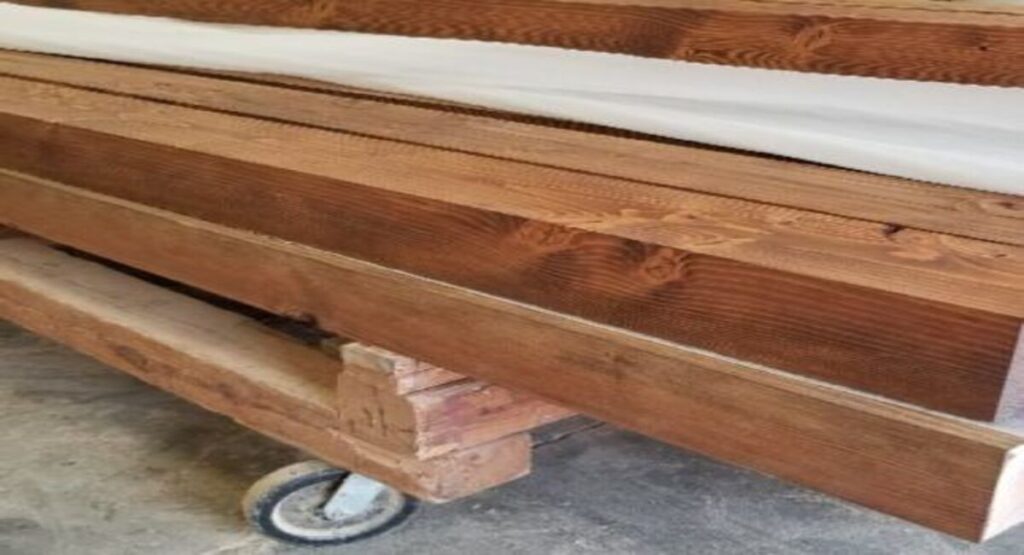
Douglas Fir, scientifically known as Pseudotsuga menziesii, is a conifer species native to North America. It is highly valued for its strength, stability, and natural resistance to decay. Douglas Fir is characterized by its reddish-brown color, straight grain, and smooth texture, making it an excellent material for various construction applications, including cladding.
Advantages of Douglas Fir Cladding
1. Durability and Strength
Douglas Fir cladding exhibits outstanding durability and strength due to its unique composition. With a high strength-to-weight ratio, this timber can endure heavy loads and impacts, making it ideal for structural applications. Additionally, its natural resistance to decay and insects ensures longevity, reducing the need for frequent replacements and maintenance. This exceptional durability makes Douglas Fir cladding a reliable choice for both residential and commercial projects.
2. Aesthetic Appeal
The aesthetic appeal of Douglas Fir is unmatched, thanks to its warm reddish-brown hue and distinctive straight-grain pattern. These natural characteristics lend a timeless elegance to any building facade, enhancing its visual appeal. As Douglas Fir cladding weathers over time, it develops a charming silver-gray patina, further accentuating its rustic charm and adding character to the structure’s exterior.
3. Versatility in Design
Architects and designers appreciate the versatility of Douglas Fir cladding, which is available in a wide range of profiles and finishes. This variety allows for creative expression and enables the creation of diverse architectural styles, from sleek and modern to traditional and rustic. Whether opting for vertical, horizontal, shiplap, or tongue and groove profiles, Douglas Fir can be customized to suit specific design preferences and project requirements.
4. Environmental Benefits
Selecting Douglas Fir for cladding aligns with sustainable building practices, as this timber is responsibly sourced from managed forests. By choosing Douglas Fir, builders support the preservation of forest ecosystems and promote the use of renewable materials. Furthermore, wood has a lower carbon footprint compared to alternative building materials, contributing to overall environmental conservation efforts and mitigating climate change impacts.
Types of Douglas Fir Cladding
1. Horizontal Cladding
Horizontal cladding involves laying Douglas Fir boards in a parallel, side-by-side arrangement along the building’s horizontal axis. This creates a visually sleek and continuous appearance, accentuating the length of the structure. It is particularly favored in contemporary architectural designs for its clean lines and minimalist aesthetic. Horizontal cladding can also enhance the perceived width of a building, making it appear more expansive and modern
2. Vertical Cladding
Vertical cladding entails installing Douglas Fir boards vertically, perpendicular to the ground. This method draws the eye upward, emphasizing the building’s height and creating a sense of grandeur. Vertical cladding is often chosen for taller structures or those seeking to make a bold architectural statement. It can add a touch of sophistication and elegance to both residential and commercial buildings, enhancing their visual impact and architectural integrity.
3. Shiplap Cladding
Shiplap cladding is characterized by overlapping boards that create a tight, weather-resistant seal. This design effectively channels water away from the structure, providing superior protection against moisture penetration and weather damage. Shiplap cladding is particularly suited for buildings located in regions prone to heavy rainfall or strong winds. Its rustic charm adds character to facades, making it a popular choice for both traditional and contemporary architectural styles.
4. Tongue and Groove Cladding
Tongue and groove cladding feature boards with interlocking edges that fit snugly together, creating a seamless and cohesive finish. This method provides excellent weatherproofing and insulation properties, ensuring a tight seal that prevents drafts and moisture infiltration. Tongue and groove cladding is highly versatile and suitable for both interior and exterior applications. Its precise fit and uniform appearance make it an attractive option for modern architectural designs.
Installation of Douglas Fir Cladding
1. Preparation
Before installing Douglas Fir cladding, it is essential to prepare the surface properly. Ensure that the structure is sound and free from any damage or defects. Clean the surface thoroughly to remove dirt, debris, and moisture.
2. Measuring and Cutting
Accurate measurements are crucial for a successful installation. Measure the dimensions of the area to be clad and cut the Douglas Fir boards accordingly. Use precise tools and techniques to ensure clean and even cuts.
3. Fixing the Boards
Begin the installation by fixing the starter board at the base of the structure. Ensure that the board is level and secure it using appropriate fixings such as stainless steel nails or screws. Continue installing the subsequent boards, ensuring a tight fit and proper alignment.
4. Finishing Touches
Once all the boards are installed, inspect the cladding for any gaps or inconsistencies. Fill any gaps with suitable wood filler and sand the surface to achieve a smooth finish. Apply a protective coating or stain to enhance the wood’s natural beauty and provide additional protection against the elements.
Maintenance of Douglas Fir Cladding
1. Regular Cleaning
Regular cleaning is vital to maintain the pristine appearance and extend the lifespan of Douglas Fir cladding. Use a soft brush or cloth to gently remove accumulated dust, dirt, and debris from the surface. Avoid harsh chemicals or abrasive cleaners, as they can strip away the wood’s natural oils and damage its integrity. Instead, opt for mild soap and water solutions for effective yet gentle cleaning.
2. Inspecting for Damage
Periodically inspecting the cladding is crucial to identify any signs of damage early on. Look for cracks, splits, or areas of decay, especially in high-moisture areas or where the wood is exposed to the elements. Promptly addressing these issues helps prevent further deterioration and ensures the structural integrity of the cladding. If damage is found, replace the affected boards promptly to maintain the overall integrity of the installation.
3. Reapplying Protective Coating
As the protective coating on Douglas Fir cladding naturally wears off over time, it’s essential to reapply a fresh layer of wood preservative or stain every few years. This replenishes the protective barrier, shielding the wood from moisture, UV rays, and other environmental factors. Follow the manufacturer’s instructions carefully for proper application techniques and ensure thorough coverage for optimal protection and longevity.
4. Treating with Wood Preservatives
Enhance the durability and resistance of Douglas Fir cladding by treating it with wood preservatives. These specialized treatments penetrate deep into the wood fibers, providing long-lasting protection against decay, insects, and weathering. Opt for environmentally friendly preservatives to minimize the impact on the ecosystem while safeguarding your investment in the beauty and integrity of your cladding. Regular application of these treatments helps maintain the wood’s structural integrity and aesthetic appeal over time.

Conclusion
Douglas Fir timber cladding is an excellent choice for those seeking a durable, aesthetically pleasing, and versatile cladding material. Its strength, natural beauty, and environmental benefits make it a preferred option for both residential and commercial projects. By understanding the various types, installation methods, and maintenance practices, you can ensure that your Douglas Fir cladding remains beautiful and functional for many years.
About Author