




 Guy Prescott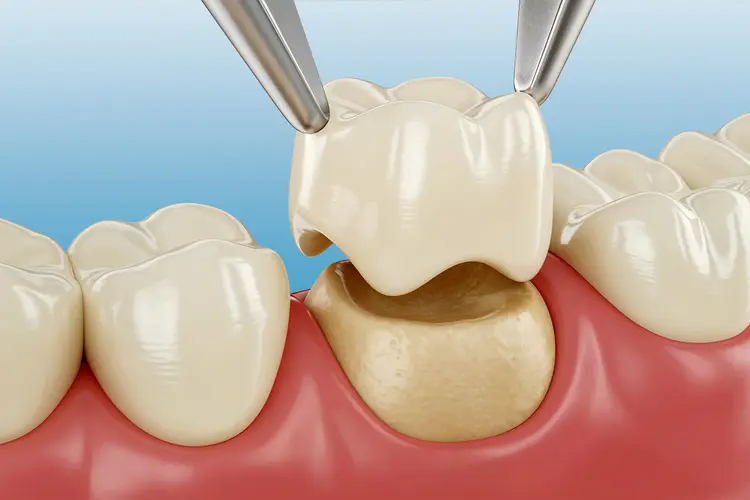
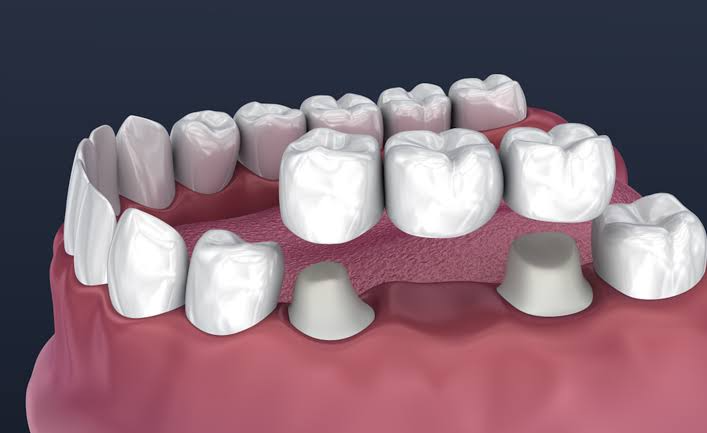
Dental crowns are one of the most commonly placed restorations in modern dentistry. They protect damaged teeth, restore broken ones, cover implants, and anchor dental bridges. Most patients who get a crown expect it to last a long time. But when they ask exactly how long, the answers they get can vary wildly depending on who they ask and where they look.
Some sources say five to fifteen years. Others say a lifetime. Some dentists give confident numbers, while others hedge with qualifications. The result is a lot of confusion for patients who simply want to know what they are actually getting when they invest in a dental crown.
The honest answer is that how long a crown lasts depends on several factors that are partly within your control and partly determined by the quality of the work done in the first place. Patients across Agoura Hills, Calabasas, Westlake Village, Thousand Oaks, Oak Park, Hidden Hills, Newbury Park, Bell Canyon, and Lake Sherwood considering dental crowns in Agoura Hills deserve a clear, straightforward answer to this question before committing to treatment.
Here is the full picture.
What the Research Actually Says
Clinical studies on dental crown longevity consistently show that well-made crowns placed by experienced providers on appropriately selected teeth have a survival rate of around 90 to 95 percent over ten years. This means the vast majority of crowns placed correctly last at least a decade without needing replacement.
Beyond ten years, survival rates naturally begin to decline as normal wear accumulates. But many crowns last fifteen, twenty, or even more years when the conditions supporting them remain healthy. The idea that crowns automatically need replacement every ten years is a simplification that doesn’t reflect how well-executed crowns actually perform in clinical practice.
What the research also consistently shows is that the factors most strongly associated with early crown failure are not the material itself. They are the quality of the preparation, the accuracy of the fit, and the health of the underlying tooth and surrounding gum tissue. A beautifully made crown placed on a compromised foundation will not last as long as a well-made crown placed on a healthy, properly prepared tooth.
The Material Makes a Difference
Different crown materials have different performance profiles, and understanding them helps patients make informed decisions about their treatment.
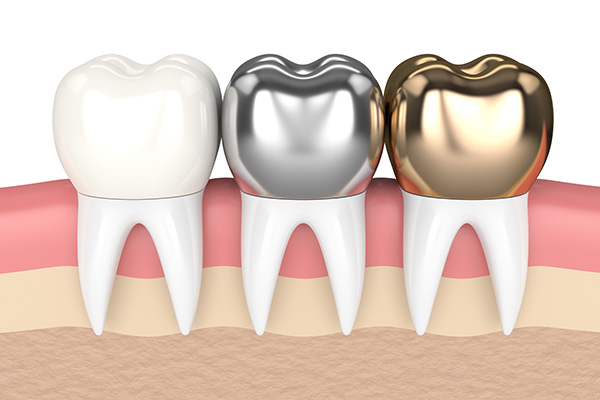
Porcelain fused to metal crowns were the standard for many years. They offer a combination of strength from the metal substructure and aesthetics from the porcelain outer layer. The limitation is that the porcelain can chip or fracture over time, and the metal margin at the gum line can become visible as gums recede naturally with age.
All ceramic and all porcelain crowns offer the most natural appearance and are the preferred choice for front teeth where aesthetics matter most. Modern ceramic materials are significantly stronger than older versions, though they remain slightly more vulnerable to fracture under very heavy biting forces than metal-based options.
Zirconia crowns have become the material of choice for many providers in recent years. Zirconia is exceptionally strong, highly biocompatible, and can be milled to a very precise fit using digital technology. It performs well in both front and back teeth, combining the aesthetic advantages of tooth-colored materials with the durability needed to withstand the forces of everyday chewing.
Gold and metal alloy crowns remain the most durable option in terms of resistance to wear and fracture. They are rarely chosen for aesthetic reasons but are sometimes the best clinical choice for back teeth in patients who grind heavily or who need maximum longevity from a restoration placed in a difficult position.
The Factors That Determine How Long Your Crown Lasts
Understanding what drives crown longevity gives patients a clearer picture of what they can do to protect their investment and what to look for in a provider before committing to treatment.
Here are the key factors that most directly affect how long a dental crown lasts:
- Quality of preparation — a crown that fits precisely, with margins that seal cleanly against the tooth at the gum line, is far less vulnerable to decay and microleakage than one with an imprecise fit
- Health of the underlying tooth — a crown placed on a tooth with a healthy root and adequate remaining tooth structure has a much better long-term prognosis than one placed on a heavily compromised tooth
- Bite alignment — a crown that is not properly adjusted to the patient’s bite bears uneven forces during chewing that accelerate wear and increase the risk of fracture
- Gum and bone health — the supporting structures around a crowned tooth need to remain healthy for the crown to function well long term. Active gum disease accelerates bone loss that can eventually compromise the tooth beneath the crown
- Grinding and clenching habits — patients who grind their teeth at night place significantly more stress on crowns than the average patient. A custom nightguard dramatically extends crown longevity for these patients
- Oral hygiene at the crown margin — the junction between the crown and the natural tooth at the gum line is the most vulnerable point. Plaque accumulation at this margin leads to decay of the natural tooth beneath the crown, which is one of the most common reasons crowns need replacement
What Causes Crowns to Fail Early
Understanding why crowns fail before their time is just as useful as understanding what makes them last. The most common reasons crowns need premature replacement include:
Decay developing at the margin between the crown and the natural tooth, often because plaque was consistently accumulating at the gum line without adequate cleaning. Fracture of the porcelain layer or the crown itself, most commonly in patients who grind their teeth without protection. The underlying tooth becoming infected and requiring root canal treatment or extraction after the crown was already placed. Cement failure that allows the crown to loosen or come off entirely, which can happen when the preparation didn’t provide adequate retention or when the cement was compromised during placement.
Most of these failure modes are preventable. They are associated with either inadequate preparation and placement or inadequate ongoing maintenance rather than inevitable material degradation.
How to Get the Most Life From Your Crown
The choices you make after a crown is placed have a significant impact on how long it lasts. A few consistent habits make a real difference.
Brushing and flossing at the crown margin every day is the single most important thing you can do. The junction between the crown and the tooth is not protected from decay the way the crown material itself is. The natural tooth beneath needs the same cleaning attention as any other tooth.
Wearing a custom nightguard if you grind your teeth protects not just your crowns but all of your restorations and natural tooth structure from the damaging effects of bruxism. This is one of the most cost-effective investments a grinder can make in the longevity of their dental work.
Attending regular dental checkups allows your dentist to monitor the margins of existing crowns, identify early signs of decay or cement failure before they become bigger problems, and assess the health of the supporting gum and bone tissue over time.
Avoiding habits that put unnecessary stress on crowns, such as chewing ice, biting fingernails, or using teeth as tools, reduces the risk of fracture and extends the life of the restoration.
When a Crown Needs Replacement
Even well-made, well-maintained crowns eventually need replacement. The signs that a crown has reached the end of its functional life include visible chipping or fracture of the crown material, persistent sensitivity or pain that suggests the seal has been compromised, visible darkening or decay at the crown margin, looseness or movement of the crown, and gum recession that exposes the metal margin of an older porcelain-fused-to-metal crown.
None of these situations should be ignored. A crown that has failed and is left in place allows the underlying tooth to deteriorate further, which can ultimately result in the loss of the tooth entirely rather than a straightforward crown replacement.
FAQs
How long do dental crowns last on average?
Most well-made crowns last between ten and fifteen years. Many last significantly longer with proper care and regular dental checkups.
Do dental crowns need to be replaced eventually?
Yes. No restoration lasts forever. Regular monitoring at dental checkups allows your dentist to identify when a crown is approaching the end of its functional life before it fails completely.
What is the longest lasting crown material?
Gold and metal alloy crowns are the most durable in terms of resistance to wear and fracture. Zirconia crowns offer the best combination of durability and aesthetics for patients who want a tooth-colored restoration.
Can a crown get a cavity?
The crown material itself cannot decay, but the natural tooth beneath the crown at the gum line margin can. Good oral hygiene at the crown margin is essential for preventing decay that can compromise the tooth under the crown.
Does grinding affect how long a crown lasts?
Yes significantly. Patients who grind their teeth place much greater stress on crowns than average, which accelerates wear and increases fracture risk. A custom nightguard is strongly recommended for patients who grind.
Considering a Dental Crown?
Getting the most from a dental crown starts with choosing a provider who takes preparation, fit, and bite alignment seriously. A well-placed crown on a healthy tooth with good ongoing maintenance can serve patients for many years beyond the average expectation.
Agoura Advanced Dentistry serves patients across Agoura Hills, Calabasas, Westlake Village, Thousand Oaks, Oak Park, Hidden Hills, Newbury Park, Bell Canyon, and Lake Sherwood. Call (818) 874-3533 or visit agouradds.com to schedule your consultation today.
About Author
