






 Guy Prescott
When it comes to enhancing the aesthetic and durability of your home’s exterior, few materials compare to cedar wood cladding. Known for its timeless beauty, sustainability, and versatile applications, cedar cladding can transform any structure into a modern masterpiece. In this comprehensive guide, we’ll explore everything you need to know about cladding, including its benefits, installation tips, maintenance, and why it’s the right choice for your home. Whether you’re building a new home or renovating your current one, this guide will provide valuable insights to help you make an informed decision.
Table of Contents
What is Cedar Wood Cladding?
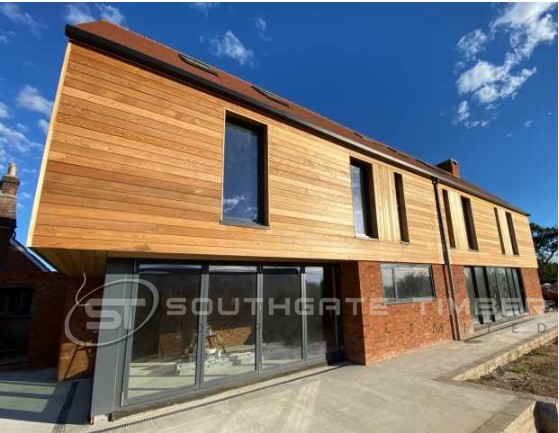
Cedar wood cladding refers to the use of cedar timber on the exterior walls of buildings to provide an attractive and durable finish. Known for its natural resilience, cedar is an excellent choice for cladding due to its moisture resistance, decay resistance, and aesthetic appeal. Available in various finishes, it can complement any architectural style, from traditional to contemporary.
Cedar is often used for its unique ability to withstand the elements, making it ideal for external wood cladding in the UK, where the weather can be unpredictable. Its warm, reddish tones and straight grain make it a popular choice for homeowners looking to enhance the curb appeal of their property.
Key Benefits
1. Natural Durability
One of the standout features of wood is its inherent durability. Western red cedar cladding, in particular, is known for its ability to resist decay, insect damage, and rot. This makes it an ideal choice for external cladding, as it can withstand harsh weather conditions while maintaining its structural integrity.
2. Aesthetic Appeal
Cedar cladding adds a timeless and natural look to your home’s exterior. The rich, warm tones of cedar, particularly red cedar cladding, enhance the visual appeal of any building. Whether you choose to let the wood age naturally to a silvery-grey patina or apply a protective finish to preserve its original color, it offers a high-end, elegant finish.
3. Sustainability
Cedar wood is a sustainable material. Unlike many other types of timber, cedar trees grow relatively quickly, making it an environmentally friendly option. Additionally, it is naturally resistant to pests and requires fewer chemical treatments, which further reduces its environmental impact.
4. Thermal Insulation
It also provides excellent insulation properties, helping to regulate the temperature inside your home. By preventing heat loss in the winter and keeping your home cool in the summer, cedar cladding contributes to improved energy efficiency, reducing heating and cooling costs over time.
5. Low Maintenance
Cedar wood is relatively low-maintenance compared to other materials. It doesn’t require frequent repainting or sealing, and it naturally resists mildew and mold. While periodic cleaning is essential to keep it looking its best, cedar cladding is much easier to care for than other materials. This makes it an ideal choice in the UK, where weather conditions can often demand more frequent maintenance for other materials.
Types of Cedar Cladding
Cedar cladding is available in various styles and finishes, allowing homeowners to choose the option that best suits their design vision. Let’s take a look at the different types of cedar options:
1. Shiplap Cladding
Shiplap cladding is characterized by its interlocking boards, which create a clean and uniform look. This style is popular in both modern and traditional homes, offering a sleek and stylish finish. The overlapping joints in shiplap also provide added protection against the elements.
2. Tongue and Groove Cladding
Tongue and groove cladding involves interlocking boards that fit together like puzzle pieces, creating a seamless finish. This style of cladding is perfect for achieving a smooth, continuous look on your exterior walls.
3. Board and Batten Cladding
Board and batten cladding is a traditional style that features wide vertical boards with narrow battens covering the seams. This design offers a rustic and charming aesthetic that is perfect for country-style homes or cottages. If you’re searching for cladding nearby, this style is a popular choice due to its timeless appeal and versatility, often found in both rural and suburban areas for those looking to add character to their properties.
How Professional HOA Security Guards Can Transform Your LA Community
Affordable Towing Services in Lake San Marcos, CA – 24/7 Reliable Help
Cedar Wood Installation Tips
Proper installation is essential for ensuring the longevity and performance of wood cladding. Here are some installation tips to help you get the best results:
1. Prepare the Surface
Before installing cedar cladding, ensure that the surface is clean, dry, and free of debris. Any moisture present on the wall can affect the performance of the cladding, so it’s important to allow the surface to dry fully before beginning the installation process.
2. Use Stainless Steel Nails or Screws
When fastening the cedar boards, it’s important to use stainless steel nails or screws to prevent corrosion. It contains natural oils that can react with certain metals, leading to discoloration and rusting over time. Additionally, while considering the cedar cladding price per m2, it’s essential to factor in the cost of high-quality fasteners, as they will help maintain the integrity and longevity of your cedar installation.
3. Allow for Expansion and Contraction
Cedar wood is a natural material that can expand and contract with changes in temperature and humidity. Be sure to leave small gaps between the boards to allow for this movement. These gaps will also help to ensure proper drainage, preventing water from collecting behind the cladding.
4. Ventilation is Key
Proper ventilation behind the cedar cladding is essential for preventing moisture buildup and ensuring that the wood can breathe. This is especially important when installing wood, as proper ventilation ensures the longevity of the material and prevents damage over time.
5. Regular Inspections and Maintenance
While it requires minimal maintenance, it’s still important to inspect it regularly for any signs of damage. Clean the cladding occasionally to remove dirt and debris, and check for any areas that may have been compromised by extreme weather conditions.
Cedar Cladding Price Per m2
The price of cedar wood can vary depending on factors such as the type of cedar, the style of cladding, and the complexity of the installation. On average, the cedar cladding price per m2 ranges from £30 to £90, with premium options for western red cedar cladding costing more. It’s essential to get multiple quotes and consult with a professional to determine the exact cost for your specific project.
Why Choose Cedar Wood for Your Home?
Cedar cladding offers a combination of beauty, functionality, and sustainability that is hard to match. Whether you’re looking for a long-lasting, low-maintenance exterior option or you want to enhance your home’s curb appeal, it is an excellent choice. Its natural insulation properties, resistance to the elements, and ability to complement various architectural styles make it the perfect option for modern and traditional homes alike.
Wrapping Up
Cedar wood cladding is an exceptional choice for homeowners looking to enhance the exterior of their property. Its beauty, durability, and environmental benefits make it a versatile material suitable for a variety of architectural styles. By understanding the benefits, installation tips, and maintenance requirements of cedar cladding, you can make an informed decision that will add lasting value to your home. If you’re ready to transform your home’s exterior with high-quality cedar cladding, reach out to Southgate Timber Company Ltd for expert advice and premium products tailored to your needs.
FAQs
What is the lifespan of cedar cladding?
It can last for decades when properly installed and maintained. On average, it can last anywhere from 20 to 40 years, depending on factors such as weather conditions and the quality of the wood.
Is cedar cladding suitable for coastal areas?
Yes, it is an excellent choice for coastal areas due to its natural resistance to saltwater and moisture. However, regular maintenance and protective finishes are recommended to ensure its longevity in these conditions.
How should I maintain cedar wood cladding?
It is low-maintenance but should be cleaned regularly to remove dirt and debris. If you want to maintain its color, you may need to apply a protective finish every few years to prevent fading from UV exposure.
Can I install cedar wood myself?
While it’s possible to install cedar yourself, it’s recommended to hire a professional to ensure the proper installation of the cladding and to avoid potential issues with moisture buildup and warping.
Is cedar wood cladding a good investment?
Yes, it is a great investment due to its durability, aesthetic appeal, and energy efficiency benefits. It can increase the value of your home while requiring minimal maintenance.
About Author
