





 Guy Prescott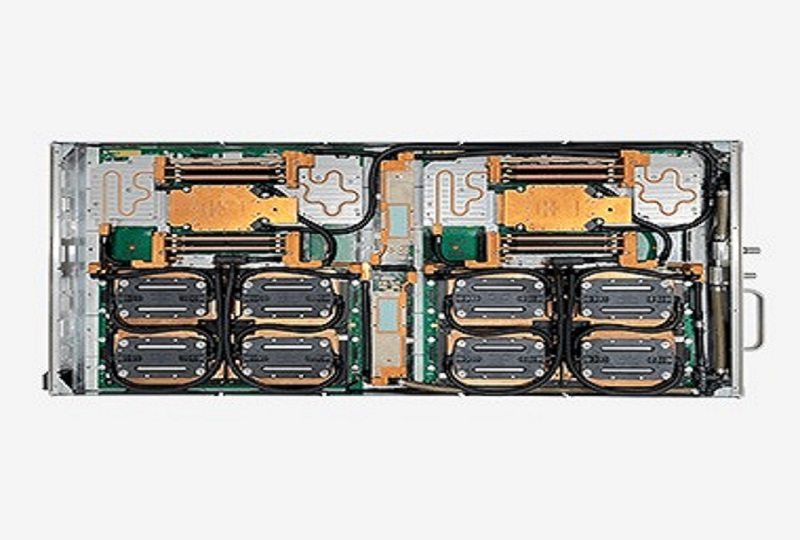
Modern businesses rely heavily on advanced computing systems, data processing equipment, and high-density electronics to maintain performance and operational continuity. As technology infrastructure becomes more powerful, heat generation continues to rise. This shift has encouraged organizations to adopt more advanced thermal management solutions, including coldplates. These cooling technologies are becoming a preferred option for businesses looking to improve system stability, reduce energy waste, and support long-term infrastructure growth. From high-performance computing environments to industrial systems and AI-driven applications, coldplates are helping organizations achieve better thermal control while maintaining operational efficiency.
Table of Contents
- Understanding Coldplates and Their Role in Thermal Management
- Why Businesses Are Prioritizing Advanced Cooling Solutions?
- The Growing Importance of Direct to Chip Cooling
- Industries Benefiting from Coldplates
- How Coldplates Support Sustainability Goals
- Key Factors Businesses Consider Before Investing
- Future Trends in Cooling Technology
- Conclusion
Understanding Coldplates and Their Role in Thermal Management
What Are Coldplates?
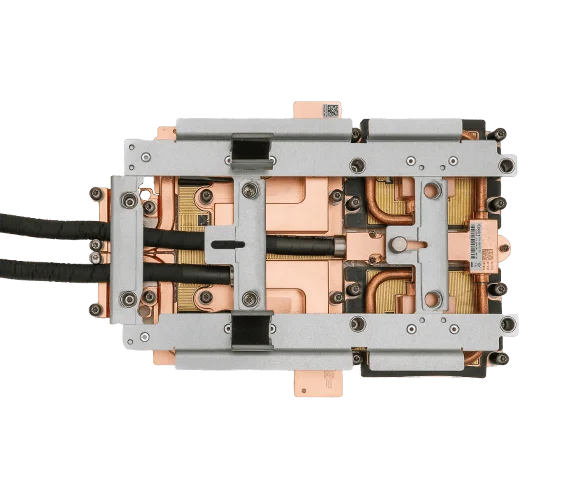
Coldplates are thermal management devices designed to remove heat from electronic components via liquid-based cooling. Unlike traditional air systems that rely on fans and airflow, a cold plate transfers heat directly away from sensitive hardware via liquid circulation. These solutions are commonly integrated into systems where heat density is too high for air cooling alone. By moving heat efficiently, coldplates help maintain optimal temperatures and improve equipment reliability.
How Liquid Cooling Improves Efficiency
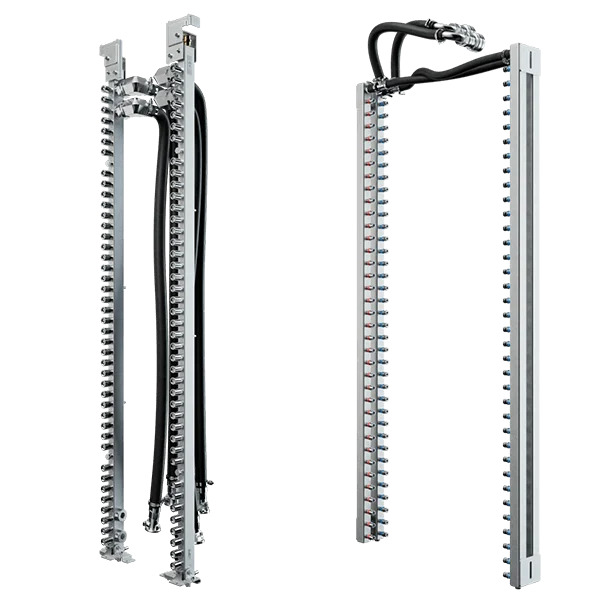
Liquid cooling is highly effective because liquids transfer heat more efficiently than air. Liquid cold plates circulate coolant through specially designed channels that absorb and move heat away from processors, GPUs, and power electronics. This process allows systems to operate at stable temperatures even during demanding workloads. As a result, businesses can support higher computing performance without excessive energy consumption or thermal stress.
Why Businesses Are Prioritizing Advanced Cooling Solutions?
Rising Demand for High-Performance Computing
Businesses today process larger volumes of data than ever before. Artificial intelligence, cloud platforms, machine learning, simulation software, and edge computing all require powerful infrastructure that generates significant heat.
As processing density increases, cooling becomes a critical operational factor. Standard air-cooling systems often struggle to maintain consistent temperatures in compact environments. Coldplates offer a more targeted and efficient alternative by cooling components directly at the source.
Improved Energy Efficiency
Energy efficiency remains a major priority for organizations aiming to reduce operational costs and improve sustainability efforts. Traditional cooling systems consume substantial power due to fans, air circulation equipment, and facility-wide temperature management. Coldplates reduce this burden by delivering focused cooling directly to critical components.
This lowers overall cooling demand and minimizes unnecessary energy use. Businesses that adopt cold plates often experience improved thermal efficiency while supporting environmentally responsible operations.
Better Equipment Reliability
Excessive heat is one of the leading causes of hardware degradation and unexpected system failure. Maintaining stable temperatures helps reduce stress on processors, memory modules, and power systems.
By using liquid cold plates, businesses can protect valuable infrastructure from overheating and thermal fluctuations. Improved temperature control contributes to longer equipment lifespan and more reliable system performance.
The Growing Importance of Direct to Chip Cooling
What Is Direct to Chip Cooling?
Direct to chip cooling is an advanced thermal management approach in which coolant is delivered directly to high-heat components such as CPUs and GPUs. Instead of cooling the surrounding air, the system targets the component generating the most heat. This method significantly improves heat removal efficiency and supports higher computing densities.
Why Businesses Are Adopting It?
As organizations expand AI workloads and data-intensive operations across Canada, heat output continues to rise. Direct to chip cooling allows businesses to handle demanding applications without sacrificing performance or reliability.
Key advantages include:
- Reduced thermal resistance
- Improved processor efficiency
- Lower energy usage
- Enhanced scalability for future growth
- Reduced dependence on high-speed fan systems
Businesses investing in scalable infrastructure increasingly view direct-to-chip cooling as a practical long-term strategy.
Industries Benefiting from Coldplates
Data Centers
Modern data centers require efficient cooling systems to support growing workloads and maintain operational continuity. Coldplates help data centers reduce energy demands while improving server density and thermal management. By implementing liquid cooling strategies, operators can support the expansion of digital infrastructure without excessive cooling overhead.
Manufacturing and Industrial Systems
Industrial equipment often operates in challenging conditions where heat management is essential. Coldplates help maintain stable temperatures in automation systems, robotics, and power electronics. This improves operational reliability and minimizes maintenance interruptions.
Healthcare Technology
Medical imaging systems, diagnostic equipment, and laboratory technologies require consistent thermal control for accurate operation. CoolIT Systems liquid cooling solutions help ensure stable system performance while supporting sensitive electronic components.
Artificial Intelligence and High-Performance Computing
AI applications require substantial processing power that generates intense heat. Businesses using machine learning and advanced analytics increasingly rely on cold plate to maintain system performance under continuous workloads. Efficient cooling enables processors to operate effectively while reducing thermal bottlenecks.
How Coldplates Support Sustainability Goals
Lower Power Consumption
Reducing energy use is becoming a key operational objective across industries. Traditional cooling systems can account for a significant portion of facility energy consumption. Coldplates improve cooling efficiency by directly targeting heat, reducing the need for large-scale airflow management. This helps businesses lower overall power usage while maintaining optimal performance.
Reduced Environmental Impact
Improved thermal efficiency reduces environmental impact by lowering electricity demand and minimizing energy waste. Organizations implementing liquid cooling technologies are often better positioned to support sustainability initiatives and long-term environmental objectives.
Efficient Space Utilization
Air-cooling systems require large airflow pathways and additional infrastructure space. Coldplates enable more compact system designs by removing heat more efficiently. This allows businesses to optimize equipment layouts and increase computing density without major facility expansion.
Key Factors Businesses Consider Before Investing
Scalability
Businesses require cooling solutions that can grow alongside operational demands. Coldplates provide flexibility to expand infrastructure and increase processing density. Scalable thermal management helps organizations prepare for future technological growth without requiring complete system redesigns.
Operational Reliability
System downtime can affect productivity, customer experience, and revenue. Reliable cooling solutions are essential for maintaining continuous operations. Liquid cold plates help reduce thermal-related interruptions and improve system consistency under demanding workloads.
Long-Term Cost Efficiency
Although advanced cooling systems may involve an initial investment, businesses often evaluate long-term operational savings. Reduced energy consumption, lower maintenance requirements, and extended hardware lifespan can yield significant cost savings over time.
Future Trends in Cooling Technology
Expansion of Liquid Cooling Adoption
As computing requirements continue to evolve, liquid cooling technologies are expected to become increasingly common across multiple industries. Organizations are recognizing that traditional air cooling may not efficiently meet future infrastructure demands. Coldplates provide a practical solution for handling next-generation processing environments.
Integration with Sustainable Infrastructure
Businesses are increasingly combining advanced cooling systems with sustainability-focused infrastructure planning. Efficient thermal management supports energy-conscious operations while helping organizations adapt to evolving environmental expectations.
Increased Focus on AI and Edge Computing
AI systems and edge computing platforms generate concentrated heat loads that require advanced cooling strategies. Direct to chip cooling and liquid cold plates are likely to play a larger role in supporting these emerging technologies.
Conclusion
Businesses are investing in cold plates because modern technology environments demand more efficient and reliable thermal management solutions. As computing power increases and energy efficiency becomes more important, traditional cooling methods often struggle to keep pace. From improving operational reliability to supporting sustainability goals, cold plates offer practical advantages for organizations managing high-performance systems. Organizations looking to strengthen cooling performance and prepare for future computing demands can connect with CoolIT Systems to explore advanced thermal management solutions designed for evolving technology environments.
FAQs
How do cold plates improve cooling efficiency?
Coldplates improve cooling efficiency by transferring heat directly away from electronic components through liquid circulation. This method removes heat faster than traditional air cooling, helping systems maintain stable temperatures while using less energy.
Why are liquid cold plates becoming more popular?
Liquid cold plates are becoming more popular because modern computing systems generate higher heat levels that air cooling alone cannot efficiently manage.
What is the advantage of direct-to-chip cooling?
Direct-to-chip cooling targets high-heat components such as processors and GPUs. This approach improves thermal transfer, reduces the risk of overheating, and allows systems to operate more efficiently under demanding workloads.
Are cold plates suitable for large-scale data environments?
Yes, cold plates are widely used in large-scale computing environments because they support better thermal management, improved energy efficiency, and higher equipment density. They also help reduce cooling-related operational challenges.
Can cold plates support sustainability initiatives?
Coldplates can support sustainability goals by lowering energy consumption and improving cooling efficiency. Businesses using liquid cooling technologies often reduce overall power usage while maintaining reliable system performance.
About Author
